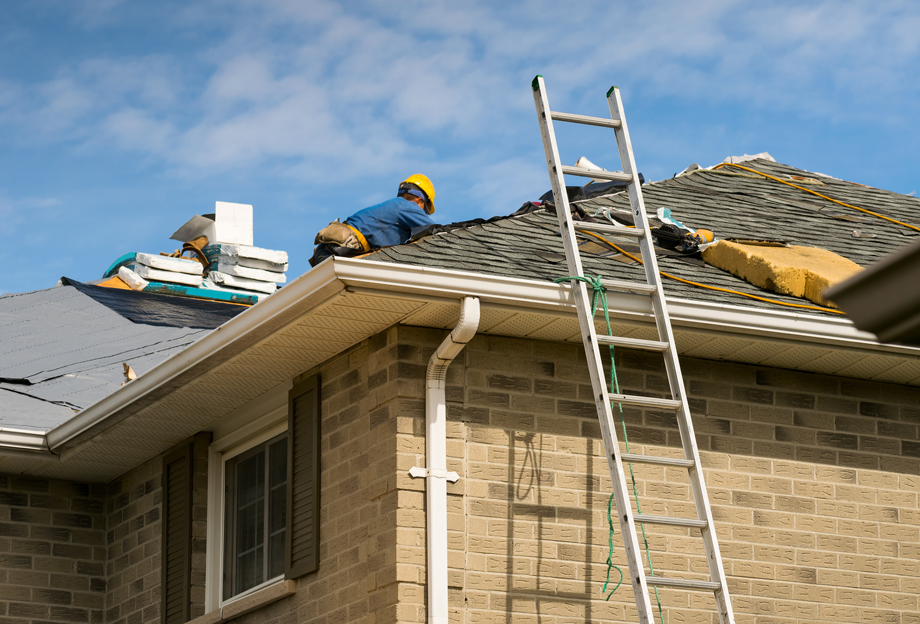
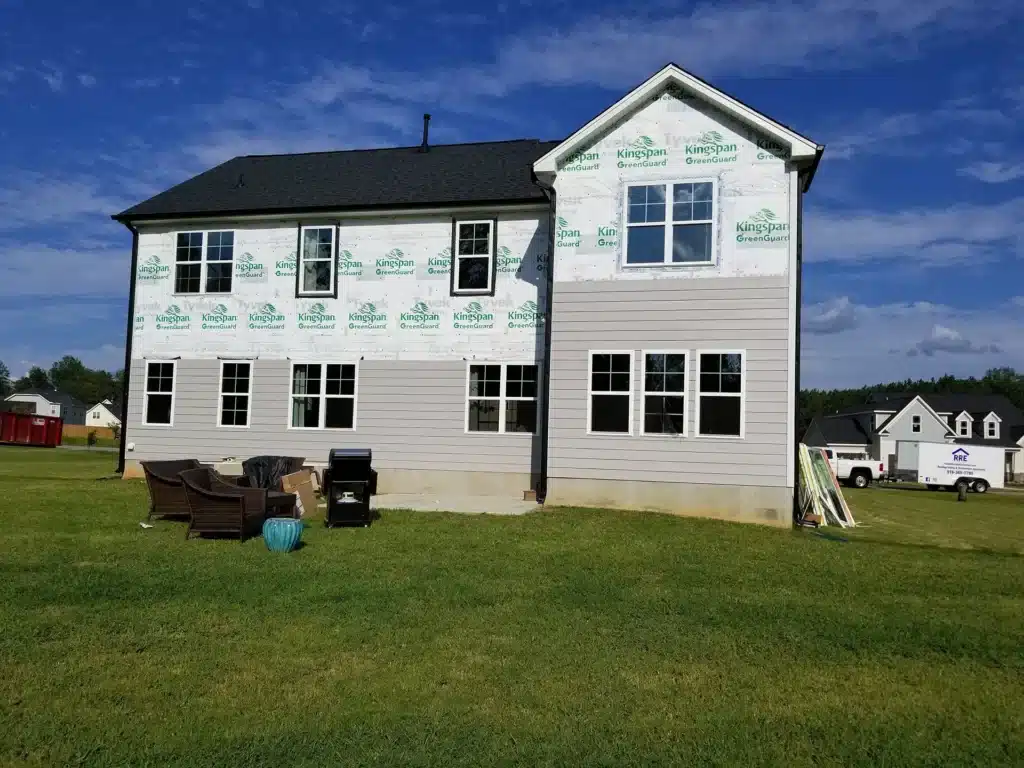
If you’ve lived in the Raleigh-Durham area for any length of time, you know that storm season isn’t limited to just one month. From late spring through the fall, North Carolina experiences everything from afternoon thunderstorms and heavy downpours to high winds, hail, and the occasional tropical system.
While these storms may come and go in a matter of hours, the damage they leave behind can affect your roof for months—or even years—if it’s not addressed.
The challenge is that storm damage isn’t always obvious. A few lifted shingles, damaged flashing, or a small puncture from flying debris may not cause an immediate leak. Instead, these seemingly minor issues can allow moisture to work its way into your roofing system over time, eventually leading to water damage, mold, and costly repairs.
Knowing what to look for after a storm and when to schedule a professional inspection can help protect both your roof and your home.
Storm Season in North Carolina Is Longer Than Many Homeowners Realize
When people think of severe weather, they often picture the middle of summer. In reality, North Carolina experiences a wide range of storms throughout much of the year.
From late spring into early fall, homeowners across Raleigh, Cary, Apex, Wake Forest, Durham, and surrounding communities regularly experience:
- Severe thunderstorms
- Heavy rainfall
- Damaging straight-line winds
- Hailstorms
- Falling tree limbs
- Tropical storms and hurricane remnants
Each of these weather events places stress on your roofing system in different ways. Even if your roof appears to be in good condition, repeated exposure to severe weather can gradually weaken roofing materials over time.
Wind Damage Often Goes Unnoticed
High winds are one of the most common causes of roof damage in North Carolina.
While missing shingles are easy to spot, wind can also loosen shingles without removing them entirely. Once the seal beneath a shingle is broken, water can work underneath during future storms.
Wind can also damage:
- Ridge caps
- Flashing
- Roof vents
- Chimney flashing
- Fascia boards
- Gutters
Many of these issues aren’t visible from the ground, which is why homeowners often don’t discover the damage until a leak develops weeks later.
Heavy Rain Exposes Existing Weaknesses
A roof doesn’t have to lose shingles to develop a leak.
Extended periods of heavy rain can reveal vulnerabilities that have been developing for years, including worn flashing, aging sealants, deteriorating pipe boots, or small cracks around roof penetrations.
One important thing to remember is that water rarely enters directly above the stain on your ceiling. It often travels along roof decking and framing before finally dripping into your living space.
Finding the true source of a leak requires a thorough inspection of the entire roofing system.
Hail Damage Isn’t Always Visible
Hail doesn’t have to leave large holes in your roof to cause problems.
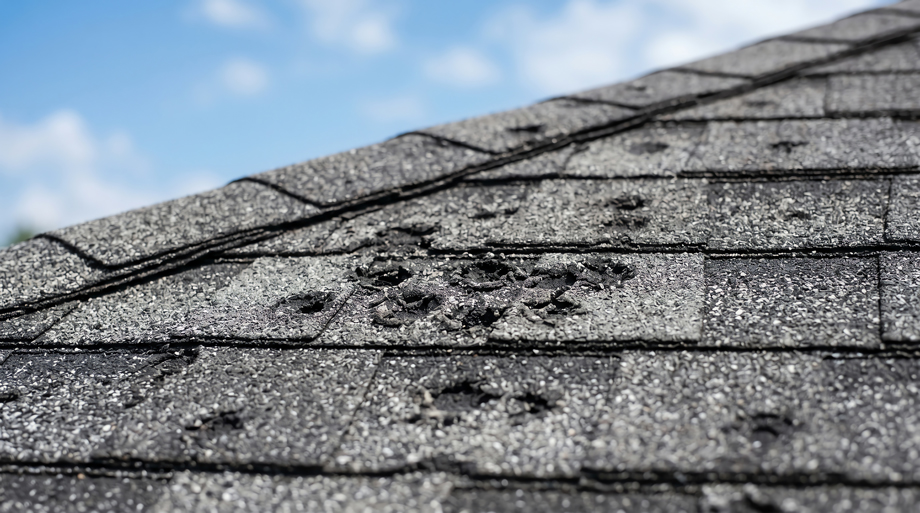
Even smaller hailstones can damage asphalt shingles by knocking off protective granules or creating bruises that weaken the material. Over time, these damaged areas become more susceptible to moisture, UV exposure, and additional storm damage.
If your neighborhood experienced hail—even if your roof isn’t leaking—it’s a good idea to have it professionally inspected.
Early detection often prevents much larger repairs later.
Falling Trees and Flying Debris
As summer transitions into fall, strong winds become more common, especially during tropical systems and severe thunderstorms.
Tree limbs scraping across shingles or falling branches striking the roof can cause immediate damage, including:
- Broken shingles
- Cracked flashing
- Punctured roofing materials
- Damaged gutters
- Roof leaks
Even if the damage appears minor, it’s important to have your roof evaluated before the next storm arrives.
Your Gutters Play a Bigger Role Than You Think
Storms don’t just affect your roof—they also impact the drainage system designed to protect it.
Leaves, pine needles, and storm debris can clog gutters, causing water to overflow and back up beneath shingles or along fascia boards.
Keeping gutters clean and ensuring downspouts direct water away from your home is one of the simplest ways to reduce the risk of roof leaks and water damage.
What to Do After a Storm
After severe weather passes, taking a few simple precautions can help you identify potential roofing problems before they become major repairs.
Walk Around Your Property
From the ground, look for obvious signs of damage, including:
- Missing shingles
- Fallen branches
- Bent gutters
- Damaged flashing
- Roofing debris in your yard
Avoid climbing onto the roof yourself, especially if it’s wet or appears damaged.
Check Inside Your Home
Storm damage isn’t always visible outside.
Take a few minutes to inspect:
- Ceilings
- Walls
- Your attic
- Around skylights and chimneys
Watch for water stains, damp insulation, peeling paint, or musty odors.
Document Any Damage
If you notice visible storm damage, take photographs from a safe location. Having documentation shortly after the storm may be helpful if you choose to file a homeowners insurance claim.
Schedule a Professional Roof Inspection
Some of the most serious roofing problems aren’t visible from the ground.
A professional inspection can identify lifted shingles, damaged flashing, hail impacts, and other hidden issues before they result in leaks or structural damage.
Is Storm Damage Covered by Insurance?
Many homeowners insurance policies provide coverage for sudden storm-related roof damage caused by wind, hail, or falling trees.
Coverage varies depending on your individual policy, but scheduling an inspection soon after a storm can help document the condition of your roof and determine whether repairs are needed.
At Raleigh Residential Exteriors, we provide detailed roof inspections and clear documentation to help homeowners better understand the extent of storm-related damage.
Why Homeowners Throughout the Triangle Trust Raleigh Residential Exteriors
Storm damage can be stressful, especially when you’re unsure whether your roof has been affected.
Our team takes the time to thoroughly inspect every roofing system, explain what we find, and recommend the most appropriate solution for your home.
Homeowners throughout Raleigh, Cary, Apex, Wake Forest, Durham, Garner, Holly Springs, and surrounding communities trust Raleigh Residential Exteriors because we focus on:
- Honest recommendations
- Thorough roof inspections
- Quality workmanship
- Responsive service
- Clear communication
- Long-lasting roofing solutions
Whether your roof needs a simple repair after a thunderstorm or more extensive restoration following a major weather event, we’re here to help protect your home.
Protect Your Home Before the Next Storm Arrives
One storm rarely causes all the damage your roof will experience over its lifetime. More often, it’s the cumulative effect of repeated storms, heavy rain, high winds, and seasonal weather changes that gradually weaken your roofing system.
That’s why regular inspections are so important.
If your home has experienced recent storms—or if it’s been a while since your roof was professionally evaluated—now is an excellent time to schedule an inspection.
At Raleigh Residential Exteriors, we help homeowners throughout the Raleigh-Durham area identify storm-related damage early, make informed decisions about repairs, and protect their homes for the seasons ahead.
Contact our team today to schedule your professional roof inspection and make sure your home is ready for whatever North Carolina weather brings next.